
“Faster is not always better, unless faster also knows what to say.”
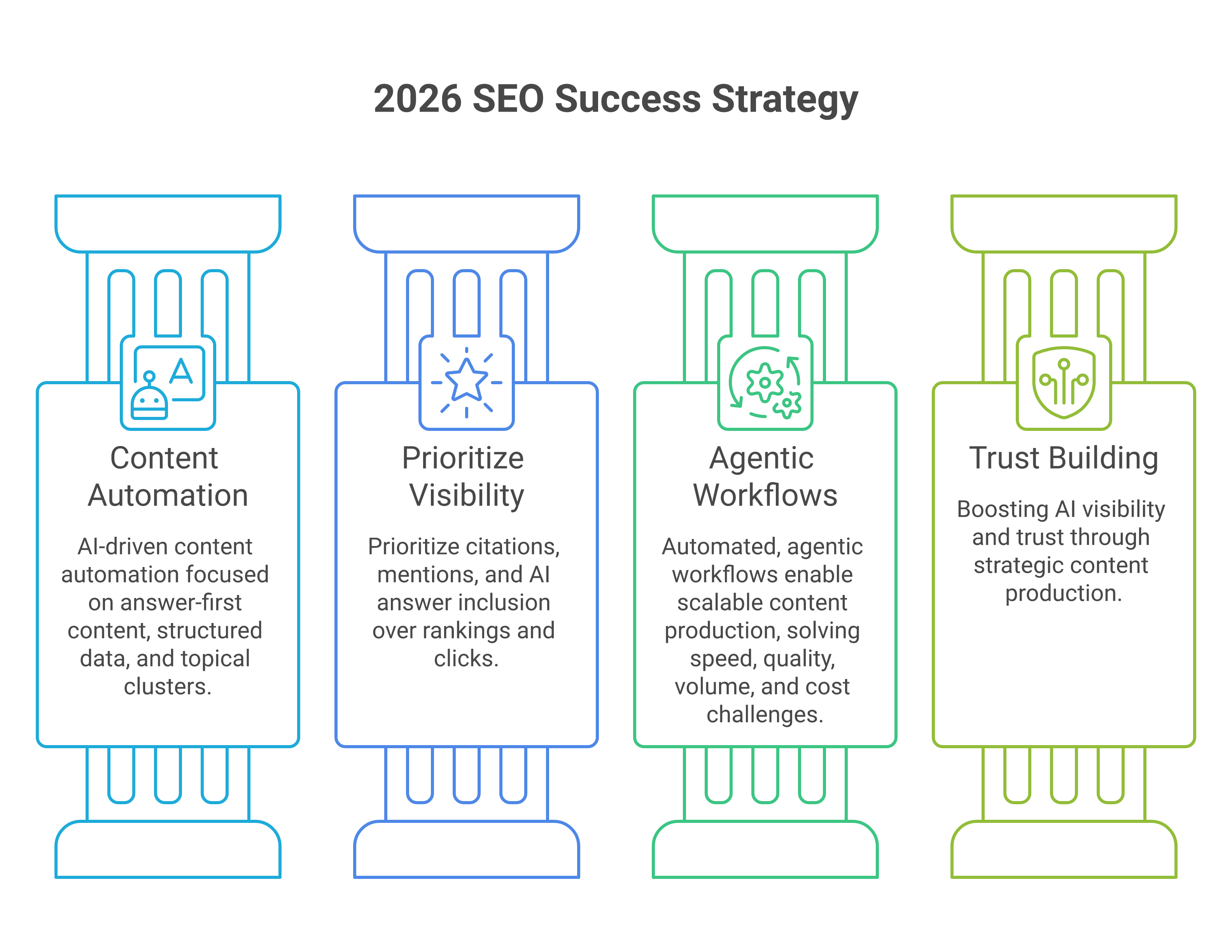
You are facing the content trilemma: choose between speed, cost, or quality, and you lose one. Today, AI-driven SEO accelerators promise to break that tradeoff, offering faster production, consistent quality, and lower marginal cost per piece, while still honoring EEAT signals. In this piece you will get a clear comparison between an SEO accelerator and a traditional SEO toolkit, a practical 45-day playbook you can execute, measurable KPIs to track, and a candid cost versus benefit analysis so you can pick the path that delivers real ranking lifts for your blog fast. The first two paragraphs set the stage, modern search now includes AI assistants and zero-click surfaces, so you must optimize for both classic SERPs and generative answer engines. You will walk away with to-dos you can carry out this week.
Table of contents
- What is an SEO accelerator vs a traditional SEO toolkit
- Why SEO accelerators matter now
- The 45-day playbook to boost your blog fast
- Comparison table: SEO accelerator vs traditional SEO toolkit
- Axis-by-axis comparison and costs vs benefits
- Tactical checklist and KPIs to measure
- A short case example
- Key takeaways
- FAQ
- About Upfront-ai
- Final thoughts and three questions
What is an SEO accelerator vs a traditional SEO toolkit
You need clarity before you act. An SEO accelerator is a platform that automates ideation, research, writing, optimization, schema injection, and often publishing. It uses agentic AI, a company-level knowledge model, and workflows that turn strategy into batches of publishable content. A traditional SEO toolkit is a collection of point solutions you stitch together: keyword research tools, rank trackers, CMS plugins, and manual briefs that humans use to write and optimize content.
Typical SEO accelerator capabilities include automated topic maps, brand-consistent content generation, schema automation, and LLM/GEO-aware output formats that make your content extractable by AI assistants. Traditional toolkits excel at granular control, deep manual review, and specialized SEO audits when you have a seasoned human editorial team.
Why SEO accelerators matter now
Search is changing. AI overviews and assistant responses increasingly surface concise answers from the web, and to be cited you must be structured, authoritative, and extractable. Industry analyses highlight the need to optimize not only for SERP features but for AI visibility; according to the SEMrush blog on traditional vs AI SEO, AI and traditional approaches need to work together to protect long-term visibility. Practical marketers also note that modern strategies pair human judgment with AI speed, and your implementation should reflect both.

The 45-day playbook to boost your blog fast
You want things you can do now. This plan assumes you will use an SEO accelerator but many steps apply if you pair traditional tools with disciplined processes.
Days 1 to 7: audit and one company model
- Run a technical crawl, fix critical errors such as 404s, broken canonical tags, and prioritize core web vitals improvements. Use server-side caching and compressed images.
- Build the One Company Model, your content source of truth, with target personas, product priorities, tone, and allowed factual claims.
- Spot 10 high-impact topics with low competition and clear intent, using Search Console data and market intel.
Week 1, days 8 to 14: rapid production
- Produce a pillar plus cluster set: 1 pillar, 4 to 6 cluster posts, and 4 to 8 supporting short answers aimed at featured snippets and assistant extraction.
- Format for generative engines, with clear H1/H2 structure, short answer boxes under 50 words, and FAQ sections for schema.
Week 2 to 3, days 15 to 28: on-page polish and internal linking
- Inject article and FAQ schema, author and organization schema, and ensure compressible HTML text.
- Implement an internal linking plan that funnels topical authority to the pillar page using descriptive anchors.
<h3>Week 4 to 6, days 29 to 45: amplify and measure
- Run outreach for 10 to 20 targeted links, prioritize relevancy over domain size.
- Repurpose content for social, newsletters, and short-form video to drive referral signals.
- Monitor impressions, clicks, and keyword movement in Google Search Console and your rank tracker.
Ongoing
- Refresh top posts every 30 days with new citations and micro-updates.
- Measure assistant visibility signals, such as mentions in AI summaries, and track referral link growth.
Comparison table: SEO accelerator vs traditional SEO toolkit
| Attribute | Seo accelerator | Traditional seo toolkit |
|---|---|---|
| Monthly platform cost | $1,000–$15,000 (varies by scale) | $0–$500 for tools, plus human costs |
| Content throughput | 50–200 optimized articles/month | 5–30 articles/month depending on editors |
| Time to first measurable lift | 2–8 weeks for impressions; 4–12 weeks for ranking gains | 4–12 weeks for impressions; 8–16+ weeks for rankings |
| EEAT and author control | Built-in authoring and company model, human review required | Full human control, manual consistency harder to scale |
| Schema and geo/llm readiness | Automated schema and GEO-friendly outputs | Manual tagging, more chance of human error |
| Onboarding time | 2–4 weeks to set company model and workflows | Immediate tool access, weeks to standardize process |
| Scalability | High, with predictable unit economics | Limited by human resources and editorial bandwidth |
| Link building and outreach support | Integrated workflows and templates | Tool-assisted, but mostly manual |
Axis-by-axis comparison and costs vs benefits
You will now see a clear axis-by-axis breakdown. For each quality axis I will present the SEO accelerator perspective, then the traditional SEO toolkit perspective, then costs and benefits and which context favors each.
SEO accelerator: cost and traditional SEO toolkit: cost
Seo accelerator costs, benefits, and trade-offs
- Costs: platform fees typically range from a few thousand to mid-five figures per month, plus onboarding and occasional professional services. There is an initial build time to create your company knowledge model.
- Benefits: lower marginal cost per article at scale, predictable budgeting, and bundled automation for schema, publishing, and measurement.
- Best for: teams that need predictable, scalable output and have limited headcount.
Traditional SEO toolkit costs, benefits, and trade-offs
- Costs: subscription fees for point tools can be low, but human costs dominate. Freelance writers, editors, and SEO specialists increase variable spend.
- Benefits: fine-grained control, deep manual review, and lower platform lock-in.
- Best for: organizations with in-house editorial staff and strict regulatory requirements.
Assessment If you plan to publish large volumes of content monthly, an SEO accelerator will usually show a better cost per article after three months. If you publish rarely and need manual control, a traditional toolkit keeps fixed costs low.
SEO accelerator: speed and traditional SEO toolkit: speed
Seo accelerator speed
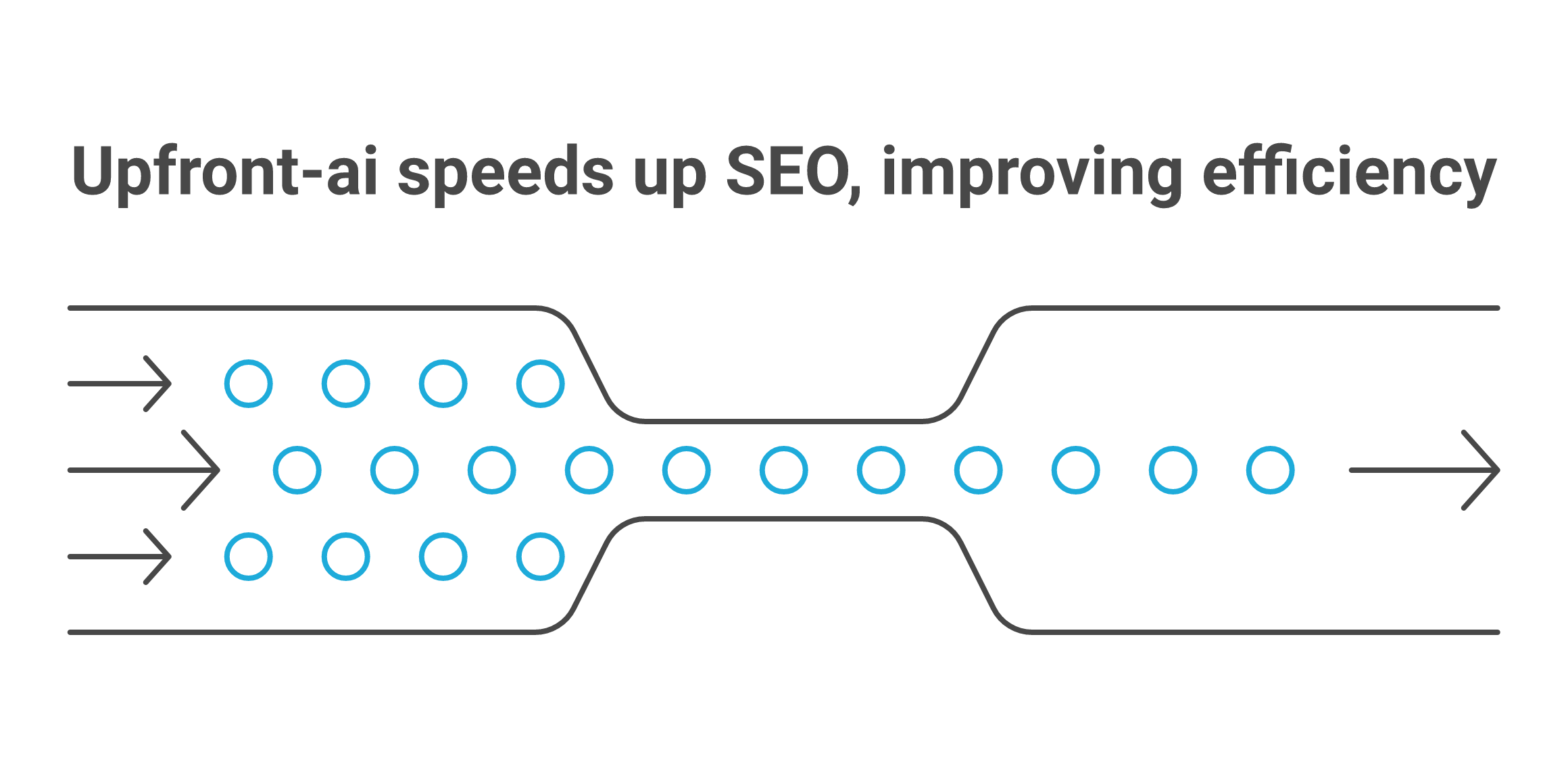
- Rapid ideation to publish cycles measured in days, because AI agents can research, draft, and format at scale.
Traditional toolkit speed
- Limited by human throughput, briefing time, and editorial reviews, often measured in weeks per article.
Assessment If speed to market for topic clusters matters for capturing seasonal demand, lean toward an SEO accelerator. If accuracy and compliance force slow review cycles, traditional toolkits may fit better.
SEO accelerator: quality consistency and traditional SEO toolkit: quality consistency
Seo accelerator quality consistency
- Strong brand consistency when anchored to a One Company Model, plus human-in-the-loop quality checks.
Traditional toolkit quality consistency
- Variable, depends on briefs, editor skill, and process rigor.
Assessment For consistent tone at scale, accelerators win. For highly specialized or expert-first content where each piece requires deep original research by a subject-matter expert, the traditional approach may produce higher per-article authority.
SEO accelerator: EEAT and traditional SEO toolkit: EEAT
Seo accelerator EEAT
- Supports author attribution, company model, and schema automation, but requires explicit human oversight for first-hand experience and sourcing.
Traditional toolkit EEAT
- Enables tight editorial control and firsthand author narratives, however scaling and consistency require process discipline.
Assessment Both approaches can meet EEAT. The accelerator shortens the path to implementation of EEAT signals, but you must ensure human verification and visible author credentials.
SEO accelerator: LTM visibility and traditional SEO toolkit: LTM visibility
Seo accelerator long-term visibility
- Can accelerate topical authority quickly, but long-term trust still depends on backlinks and original research.
Traditional toolkit long-term visibility
- Slower to scale, but long-term visibility grows with consistent, high-quality signals and natural backlink acquisition.
Assessment Use accelerators to jumpstart topical presence, then supplement with original research and outreach to lock in durable authority.
Tactical checklist and KPIs to measure
You want measures you can track weekly and monthly.
Technical checklist
- Fix core web vitals issues and improve mobile speed.
- Ensure correct canonicalization and XML sitemap submission.
- Serve compressed HTML text, defer noncritical JavaScript.
On-page checklist
- Crisp H1 and H2s, short lead paragraphs, and structured Q&A sections.
- Add FAQ schema snippets and an author bio with credentials.
Content formats to prioritize
- How-to guides, case studies with first-hand data, short answers under 50 words for AI extraction, and listicles for scannability.
KPIs and timing
- Weeks 1 to 3: impressions, crawl rate, and indexing count.
- Weeks 4 to 8: ranking movement for priority clusters and clicks from organic listings.
- Months 3 to 6: organic sessions, leads from organic, and backlink acquisition.
Use authoritative guidance when you set targets. For example, industry writing about AI SEO stresses the need to optimize both for traditional searches and for AI-driven answer surfaces, as discussed in the SEMrush blog on traditional vs AI SEO. Analysts also offer comparisons that help you plan realistic timelines, for example this practical SEOMator comparison of AI-powered SEO vs traditional methods.
A short case example
Imagine a B2B SaaS with a 12-month content backlog and a two-person marketing team. You implement an SEO accelerator pilot, set up a One Company Model in week 1, and publish 20 optimized posts in four weeks, focused on a high-intent product cluster. In six weeks impressions triple, and three target keywords move from page three to page one or two. The team then uses the saved writer hours to produce original research that attracts three niche backlinks in month two. That mix of automation for volume, plus selective human research for authority, produced faster, measurable lift than a parallel manual effort.

Key takeaways
- Adopt an SEO accelerator when you need scale, predictable throughput, and integrated GEO/LLM-friendly outputs, especially with small teams.
- Maintain human oversight for EEAT, author attribution, and compliance, regardless of tool choice.
- Measure early signals such as impressions, indexing, and crawl frequency in weeks, then track rankings, organic traffic, and conversions across months.
- Pair automated content scale with a targeted link building and original research program to convert short-term visibility into long-term authority.
FAQ
Q: How long until I see ranking improvements?
A: Expect impressions to grow within 2 to 3 weeks after publishing optimized content, and measurable ranking improvements often show within 4 to 8 weeks. The timeline depends on competition, domain history, and topical authority. Use Google Search Console to watch impressions and clicks as leading indicators. If you have a newer domain or a very competitive keyword, plan for longer timelines and fold in backlink outreach.
Q: Will using AI-generated content hurt my EEAT?
A: AI output alone does not guarantee EEAT problems, but unedited or unstated AI content can cause issues. Combine AI production with human review, visible author bios, and first-hand citations to meet EEAT. Include original data or practitioner quotes when possible to strengthen expertise and experience. Label editorial oversight, and keep a verifiable author record for sensitive topics.
Q: What metrics should I prioritize during the first 45 days?
A: Focus on impressions and indexed pages in the first 2 to 3 weeks, then track clicks and ranking movement in weeks 4 to 8. Also monitor crawl frequency and any increases in featured snippet or PAA appearances. Use these early signals to decide where to double down or to refresh content.
Q: How should small teams balance content quantity and quality?
A: Start by mapping 10 to 15 high-impact topics and publish a mix of short answers and deep pillar content. Use automation for repeatable formats and human expertise for cornerstone pieces. Schedule monthly refreshes of top performers and reserve budget for original data or case studies that attract links.
About Upfront-ai
Upfront-ai is a cutting-edge technology company dedicated to transforming how businesses leverage artificial intelligence for content marketing and seo. By combining advanced ai tools with expert insights, Upfront-ai empowers marketers to create smarter, more effective strategies that drive engagement and growth. Their innovative solutions help you stay ahead in a competitive landscape by optimizing content for the future of search.
You have the tools and the knowledge now. The question is, Will you adapt your SEO strategy to meet your audience’s evolving expectations? How will you balance local relevance with clear, concise answers? And what’s the first GEO or AEO tactic you’ll implement this week? The future of SEO is answer engines, make sure you’re ready to be the answer.