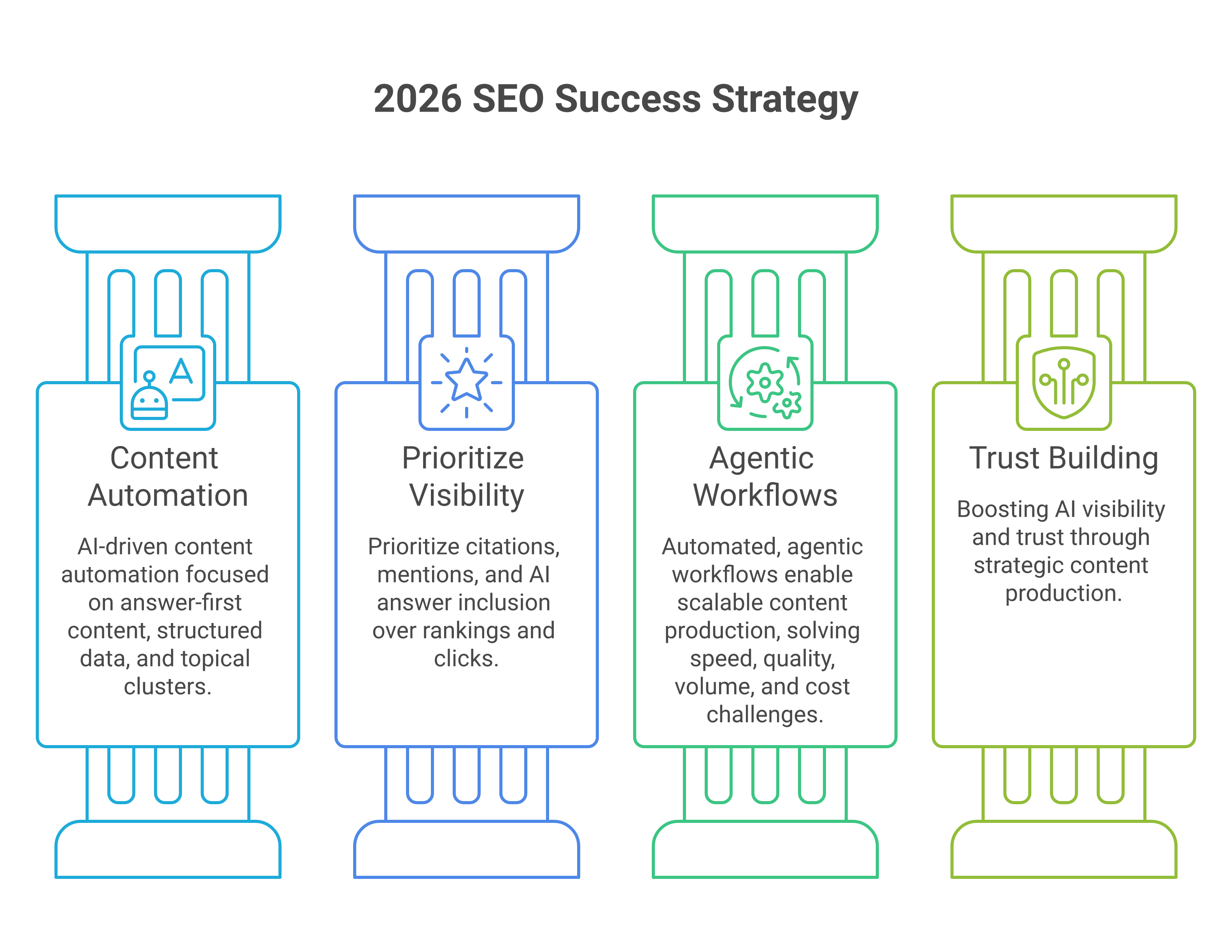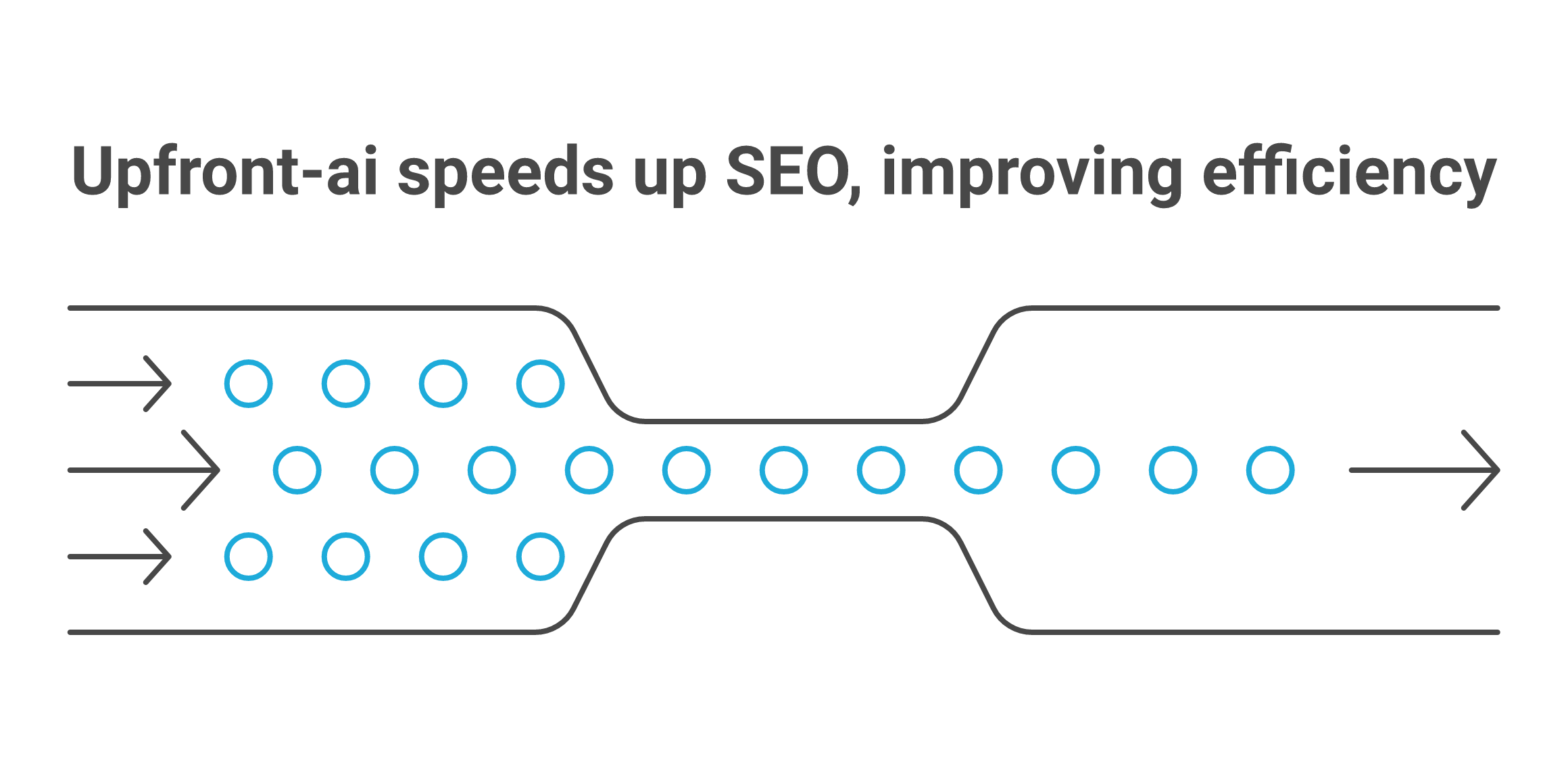

Upfront-ai unleashes a 350-technique storytelling engine that promises to convert content into measurable business outcomes today.
Upfront-ai presents a shift that is already changing how marketing teams publish content. The platform combines an AI-agentic workflow, a One Company Model that encodes brand signals, and 350 conversion-focused storytelling techniques to produce content that ranks, gets cited by large language models, and converts readers into customers. Early adopters see SEO improvements within 8 to 16 weeks, and Upfront-ai sets an operational benchmark of 3.65X exposure in the near term when technical fixes and link building accompany the rollout. This article shows what could happen if you adopt that platform now, with a clear scenario map, step-by-step reactions, a real-life example, and practical playbooks you can use this week.
Table of Contents
- Introduction
- What is the trigger event
- The reactions: Step 1, Step 2, Step 3
- A real-life example that shows ripple effects
- Lessons from the chain reaction and mitigation strategies
- The Upfront-ai difference and expert opinion
- Practical short term, medium term and longer term implications
- A quick launch playbook
- Key takeaways
- FAQ
- About Upfront-ai
- Final questions for your next mov
What is the trigger event
The trigger event is a single, decisive action by leadership: you decide to adopt Upfront-ai’s fully automated, fully customizable AI-agentic content solution and apply the platform’s 350 storytelling techniques to your core content pipeline. That decision can be small in effort, but large in potential effect. You connect your brand inputs, set your ICP and conversion goals, and flip the publish switch. The platform then starts generating ICP-focused content with built-in SEO, GEO, and AIO signals, aligning editorial output to buyer intent and measurable business outcomes.
The Reactions: Step 1, Step 2, Step 3
Step 1: Immediate consequences of the initial decision
You get a fast, larger volume of people-first content. Titles, introductions, and micro-narratives are optimized for reader intent and LLM extraction. The Upfront-ai agents structure content for both humans and answer engines, adding FAQ blocks, clear headings, and persona-led mini-cases. Early metrics typically show increased impressions and higher click-through rates from search results.
Step 2: How the first consequence leads to a secondary outcome
Higher CTR and improved on-page engagement send stronger signals to search engines and large language models. That attention translates into more organic visibility and richer SERP features like FAQ snippets and list features. As your content becomes repeatedly cited by answer engines, you gain passive referral traffic and a growing list of inbound queries from prospects who already know your brand.
Step 3: Escalation and the domino effect
Once visibility rises, your brand attracts links, partner mentions, and social amplification. Sales teams receive higher quality demo requests. Product and support teams collect better feedback from content-driven contacts. That data feeds the One Company Model, which the agents use to refine future content. This creates a closed loop where content improves, visibility grows, and conversions accelerate in a compounding manner.

A real-life example that shows ripple effects
Scenario: a B2B SaaS company with 25 employees decides to use Upfront-ai to overhaul its content output. They upload product docs, customer outcomes, and three buyer personas into the One Company Model. In week one the platform publishes six optimized pillar posts and eight targeted FAQs. By week eight organic impressions climb, and by week twelve demo requests increase by 22 percent, partly because new content appears in answer engine results for high-intent queries. By week sixteen marketing notices a 1.8X increase in trial signups from organic sources. Sales closes deals with a 15 percent higher average contract value due to better alignment between content and buyer intent. Support tickets drop for routine questions that content now answers directly. The company tracks the chain: content → visibility → higher quality traffic → improved conversions → product insights → more refined content.
This pattern mirrors the outcomes outlined in Upfront-ai’s guidance on how AI-driven content creation transforms SEO for businesses and agencies, where consistent, optimized publishing often produces gains in 8 to 16 weeks, especially when combined with technical fixes and link building. See this timeline and practical guidance in the Upfront-ai post on AI-driven content creation for businesses and agencies (How AI-driven content creation transforms SEO for businesses and agencies).
Lessons from the chain reaction and mitigation strategies
Small decisions compound. A single decision to systematize content can cascade into cross-functional changes. That is powerful, and also risky if left unmanaged. Lessons and mitigations include:
- Control the narrative early by populating the One Company Model with verified brand facts, customer outcomes, and persona details to avoid off-message outputs.
- Measure frequently, using exposure, CTR, dwell time, and MQL quality as immediate KPIs to catch drift.
- Invest in basic technical SEO and link building alongside the platform to accelerate the feedback loop.
- Set guardrails for automated updates so that legal, compliance, and product teams review content that makes specific claims.
Practical mitigation steps
- Require a short human review for any claim of customer metrics, pricing, or compliance language.
- Maintain a living content style guide inside the One Company Model so agents do not invent inconsistent facts.
- Run monthly audits of top-performing pages to capture learnings and fold them back into persona inputs.
The Upfront-ai difference and expert opinion
Upfront-ai is not a general-purpose text factory. The CEO of Upfront-ai frames the platform as a fully automated, fully customizable AI agentic solution, designed to boost SEO, GEO (generative engine optimization), and AIO visibility ranking, citations and references for brands. The platform delivers ICP-focused, people-focused content using over 350 conversion-driven storytelling techniques. In the CEO’s view, today’s search ecosystem is moving toward answer engines, and the company’s One Company Model ensures content tells the right story, in the right voice, at scale.
Expert opinion, in practice The CEO recommends treating the platform as a strategic engine. Teams that load high-quality, verified inputs see the fastest gains. Upfront-ai positions its benchmark of 3.65X exposure as an operational target when the platform is paired with technical SEO improvements and outreach. The platform also supports a cadence for iterative updates so that content remains current and aligned to evolving buyer language.
For a broader industry signal about rapid AI ecosystem changes, consider coverage of how major AI projects are expanding platform capabilities and plugins, which illustrates the speed of integration between AI and workflow stacks. See one such update on the developments around Claude and related tooling (Developers expanding platform capabilities and plugins).
Practical short term, medium term and longer term implications
Short term (0–45 days)
- You get an immediate increase in content output and improved on-page structure.
- Measure impressions, CTR, and early demo request counts.
- Expect initial SEO gains to appear in 8 to 16 weeks if you pair content with basic technical fixes and targeted link building, as described in Upfront-ai guidance at How AI-driven content creation transforms SEO for businesses and agencies.
Medium term (45–180 days)
- Your content begins to attract SERP features and answer engine citations.
- Inbound traffic quality improves, resulting in more qualified leads.
- Teams lock in iterative workflows where content performance feeds product and sales, improving messaging and offers.
Longer term (180 days and beyond)
- You build topical authority and a growing catalog of assets that LLMs and search engines reference.
- Compounding effects appear in organic traffic, referral signals, and lower customer acquisition costs.
- Your company is recognized as a trusted source in industry prompts used by LLMs, driving emergent discovery.
A quick launch playbook
0–7 days
- Populate the One Company Model with personas, verified outcomes, product specs, and brand voice.
- Select four high-intent topics to test.
7–30 days
- Publish four to six pillar posts, each with FAQ sections, micro-case studies, and a narrative CTA.
- Run technical SEO checks and fix critical issues.
30–60 days
- Publish mid-funnel how-to content and objection-handling articles.
- Begin outreach to industry partners and request link placements on three to five authoritative pages.
60–90 days
- Analyze performance, refresh top assets, and expand to verticalized content sets for GEO and AEO signals.
- Operationalize learnings into the One Company Model so agents use the new data.
Measurement and KPIs to monitor
- Exposure: organic impressions and branded versus non-branded reach.
- Engagement: CTR from SERPs, time on page, scroll depth.
- Authority: backlinks, domain mentions, and answer engine citations.
- Conversion: MQLs, demo requests, and trial-to-paid conversion.

Key takeaways
- Adopt a system, not single articles: a One Company Model plus AI agents scales consistent, people-first content.
- Measure early and often: use impressions, CTR, and demo request quality to validate changes within the first 8 to 16 weeks.
- Pair technology with basic SEO and outreach: content alone is helpful, but technical fixes and link building accelerate exposure.
- Protect brand truth: feed verified facts and case data into the platform, and require reviews for any claim of metrics or legal language.
FAQ
Q: What results should I expect and when?
A: Expect increased impressions and better CTR within 8 to 16 weeks when you publish consistently and pair content with technical SEO and link outreach. Initial conversion shifts, like more qualified demo requests, often appear by week 12, as content reaches higher visibility and starts attracting the right audience. Use early KPIs to decide whether to scale topics or tighten persona inputs.
Q: Are the 350 storytelling techniques industry specific?
A: The techniques are modular and adapt to verticals because they focus on narrative structures, not product details. You must feed industry facts, customer outcomes, and persona language into the One Company Model so the agents can apply the techniques with domain relevance. Expect faster results when you provide concrete case metrics and clear buyer pain points.
Q: How do I ensure accuracy and compliance in automated content?
A: Build guardrails: require human sign-off for any content that mentions legal, pricing, or regulatory claims. Store verified documents and approved phrasing in the One Company Model. Use automated flags for phrases that require review, then route them to subject matter experts before publication.
Q: How does this approach affect small teams with limited budgets?
A: The platform is designed for small teams that need scale with limited headcount. It automates research, drafts, and on-page optimization, reducing reliance on external agencies. You still need a small human workflow for review and outreach, but the overall cost per published, optimized piece drops, allowing small teams to compete with larger content programs.
About Upfront-ai
Upfront-ai is a cutting-edge technology company dedicated to transforming how businesses leverage artificial intelligence for content marketing and SEO. By combining advanced AI tools with expert insights, Upfront-ai empowers marketers to create smarter, more effective strategies that drive engagement and growth. Their innovative solutions help you stay ahead in a competitive landscape by optimizing content for the future of search.
You have the tools and the knowledge now. The question is: Will you adapt your SEO strategy to meet your audience’s evolving expectations? How will you balance local relevance with clear, concise answers? And what’s the first GEO or AEO tactic you’ll implement this week? The future of SEO is answer engines, make sure you’re ready to be the answer.
Final question for action and reflection Would you like to run a test article through the One Company Model and see a before-and-after performance forecast this month?